IT Scrap Buyer in Sharjah
Most of the retired IT hardware coming out of Sharjah right now is leaving offices, warehouses and server rooms in bulk, not homes one laptop at a time. E Waste Recycling & IT Scrap Buyer buys that equipment from businesses across the emirate, wipes or destroys every storage device before it leaves the workflow, and routes the rest through resale, component recovery or recycling.
Our yard is in Industrial Area 6, which keeps most collections across Sharjah practical to schedule without a multi day wait.
- Sharjah based collection team
- Bulk business IT equipment only
- Written quotation before pickup
- Data bearing media handled on every job
IT Scrap Buying for Sharjah Businesses
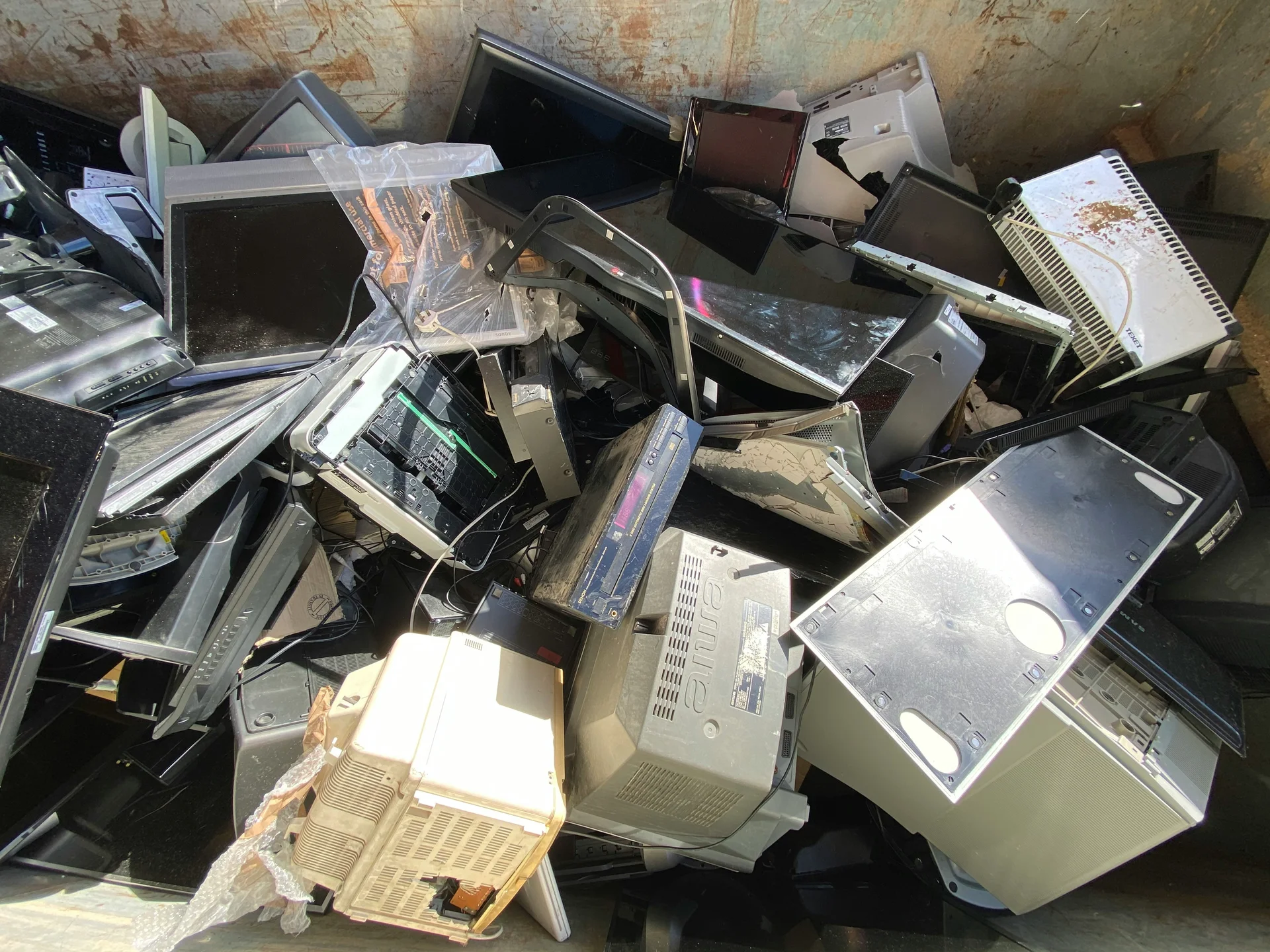
Most enquiries start with a list: a photo of a store room, a spreadsheet of asset tags, or a decommissioning schedule from an IT lead. From that we work out three things what can be resold as working equipment, what has recoverable component or metal value, and what needs to be recycled at cost.
Working units are valued against current second hand demand through our IT asset remarketing route. Hardware with no resale route is valued on recoverable board, copper, aluminium and steel content. Both sit under the same IT asset disposition workflow, so a mixed lot doesn't need to be sorted before we arrive our team loads on site and can arrange a scheduled pickup around your access constraints.
What We Buy in Sharjah
We buy in bulk. As a working guide, that means roughly 10 or more units per category, or a single larger item such as a full rack. One or two laptops are better sold through consumer channels.
Computers & workstations
- Desktop towers, all in ones, thin clients
- Business laptops, any brand
- Industrial and panel PCs from production lines
Servers & data centre
- Rack, tower and blade servers
- SAN/NAS storage arrays, disk shelves
- Racks, cabinets, rails, PDUs
Network & telecom
- Switches, routers, firewalls, access points
- PBX systems, IP handsets
- Structured cabling, patch panels
Office & peripherals
- Printers, MFPs, scanners
- Monitors and digital signage panels
- POS terminals, barcode scanners
Power & support
- Rack and standalone UPS units
- Sealed lead acid battery banks
- Server PSUs, rack cooling hardware
Storage & components
- Hard drives, SSDs, NVMe, LTO tape
- Server memory, CPUs, RAID/HBA cards
- Motherboards, GPU/accelerator cards
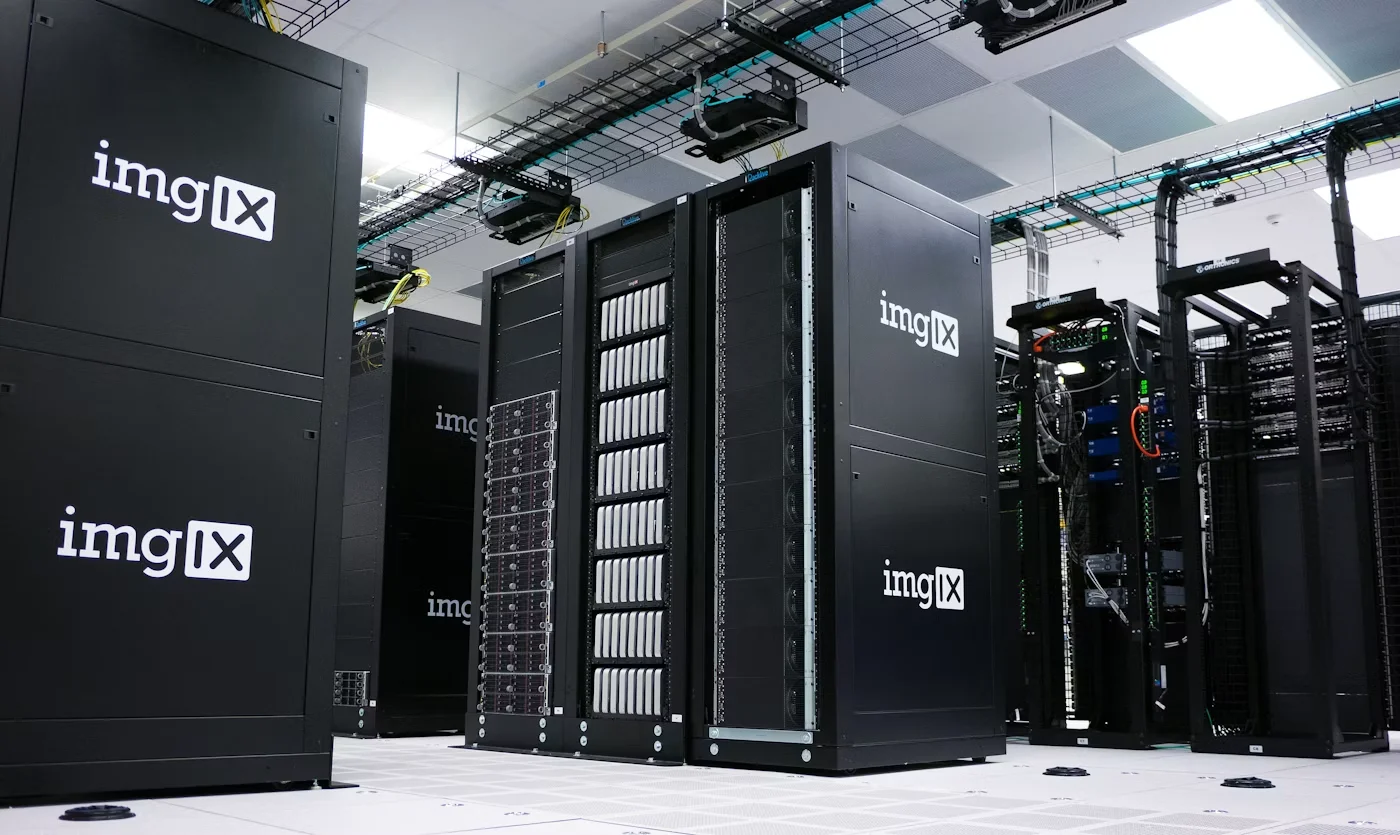
Damaged and non working equipment is accepted and valued on recoverable material rather than resale declare the condition up front so the quote reflects it. Server heavy lots are handled by the team behind our network and server scrap buying service; mixed non IT electronics fall under corporate recycling.
How We Assess IT Equipment Value
IT scrap value isn't set by weight alone. A five year old rack server with populated memory and drive caddies is worth more than its weight in metal; a dead one is priced on recoverable content instead. Three routes apply, and which one fits depends on equipment type, generation, condition, completeness, quantity and current market demand.
| Equipment condition | Typical example | How it's assessed |
|---|---|---|
| Working / surplus | Recent laptops, functioning servers, live network gear | Resale value against current second hand demand |
| Faulty / non working | Dead drives, cracked units, failed PSUs | Recoverable component and material value |
| End of life / mixed scrap | Obsolete or stripped down hardware | Material recovery board grade, copper, aluminium, steel |
Data Destruction & Storage Media Handling
Deleting files, formatting a partition or a factory reset doesn't remove data in a way that resists recovery. This is the part of an IT disposal that creates real exposure, and it's the part a price first scrap dealer tends to skip.
Hard drives and tape can be sanitised by overwriting or degaussing, or destroyed by shredding or crushing. SSDs, NVMe and flash media store data in flash cells, so degaussing does nothing to them they need a verified cryptographic erase, a manufacturer sanitise command, or physical destruction of the controller and flash packages. We treat these as a separate category rather than folding them in with spinning disks, under our data destruction service.
Sanitisation follows the clear, purge and destroy categories set out in NIST SP 800 88 Revision 2, the current edition of the media sanitisation guidance. Serial numbers are logged at collection, and a certificate of data destruction referencing those serials is issued once processing is complete. On site destruction can be arranged for organisations whose policy requires live media not to leave the premises see our secure IT disposal process.
Easy to overlook: multifunction printers store scanned documents on internal drives, managed switches and firewalls retain configs and VPN keys, and IP cameras or POS terminals hold their own records. Ask for these to be included in the destruction scope rather than assumed empty.
Disposal Rules That Apply to Sharjah Businesses
UAE waste handling sits under Federal Law No. 12 of 2018 on Integrated Waste Management, which covers waste from production through collection, transport, recycling and disposal inside the State, including free zones SAIF Zone and Hamriyah Free Zone status doesn't change that. Under the law's executive regulations, the waste generator carries responsibility for proper disposal, which is why keeping the paperwork from a collection is worth doing.
Locally, Sharjah Municipality runs a dedicated Waste & Sewerage Agency and an Environment, Health & Safety Agency, and the Environment and Protected Areas Authority handles environmental regulation across the emirate. Hazardous waste crossing UAE borders needs written permission from the Ministry of Climate Change and Environment.
Free zone authorities generally require a gate pass or material exit approval before goods leave the perimeter, raised by the licence holder rather than by us starting it a day or two ahead avoids a truck waiting at the gate.
How IT Scrap Collection Works in Sharjah
Enquiry
Send a list, spreadsheet or a few photos over WhatsApp with your area and building.
Assessment & written quote
We review specification, age, condition and quantity a short site visit for larger lots then send a figure in writing with the destruction method stated. Nothing is collected before it's agreed.
Scheduling & collection
We book a slot around your access constraints, confirm any free zone gate pass, and load on site with our own team and packing material. Storage devices are counted and serialised before anything moves.
Data destruction
Drives are sanitised or physically destroyed by the agreed method, matched to the media type.
Sorting & recycling
Working units are tested and graded for resale. Non recoverable material is segregated by type and routed to recycling rather than general waste.
Payment & documentation
Payment is settled on the agreed terms, and you receive the collection record and certificate of data destruction for your file.
Who We Serve Across the Emirate
Sharjah runs on manufacturing, logistics, education and healthcare rather than one corporate district, so a week's collections can look very different site to site.

Manufacturing & logistics
Plants and warehouses across Al Sajaa, Hamriyah Free Zone and the industrial areas replace line PCs, scanners and WMS terminals often in back stores that have never had a clear disposal route.
Education
University City's campuses and the wider school network refresh computer labs in batches. See education sector.
Healthcare
Hospitals and clinics retire workstations and networked devices holding patient records, where destruction records matter more than scrap value. See healthcare.
Banking & finance
Branch refits and back office consolidation generate teller workstations, ATM components and network hardware, often with on site destruction. See banking and finance.
Government
Departments typically work to a defined disposal procedure with fixed documentation requirements. See government.
Offices & free zone firms
Trading companies, Shams media firms, SRTIP tenants and retail chains clearing sites after a tenancy ends. See corporate businesses.
Office relocations are their own case the accumulated hardware usually surfaces when a move is being planned. Scheduling the IT clearance a week ahead, rather than on the day, keeps it from becoming a rushed skip decision.
Why Use a Dedicated IT Scrap Buyer
We're based here
Industrial Area 6, not another emirate shorter runs mean lower transport cost and realistic short notice collections.
Written prices, no re pricing
The figure is agreed before a vehicle is booked and isn't revised once equipment is on the truck.
Media matched destruction
SSDs, hard drives and tape are handled differently because they store data differently the method is stated in the quote.
Value recovery first
Resale is tested before recycling, because a working server is worth more intact than shredded.
Before handing equipment to any buyer, including us, it's worth asking: what destruction method applies to your media, are serial numbers recorded, who drives the vehicle, and where non recoverable material ends up. Get the price in writing before collection day, and keep your own photo inventory of the lot.
Areas We Cover Around Sharjah
Coverage runs across the emirate. Journey time from Industrial Area 6, rather than distance, is what determines how quickly we can reach a site.
Industrial areas & central belt
Industrial Areas 1 18, including the commercial stretch near Muwaileh, via Maliha Road and Al Wahda Street.
Free zones
SAIF Zone beside the airport, home to over 8,000 companies, and Hamriyah Free Zone with over 6,500 businesses. Also Shams and SRTIP.
Al Sajaa & the E611 corridor
Al Sajaa Industrial Oasis and the warehousing along Emirates Road.
Commercial districts
Al Majaz, Al Khan, Al Nahda, Al Taawun and the office floors around the city centre.
University City & Muwaileh
Campus IT departments and the surrounding commercial blocks.
Eastern towns
Al Dhaid, Kalba, Khorfakkan and Dibba Al Hisn scheduled runs, volume combined where possible.
WhatsApp Your Equipment List
Send a list, spreadsheet or a few photos of what needs to go, with your area and building. You'll get a written figure, the destruction method for your storage media, and a collection slot that fits your access constraints.
Frequently Asked Questions
What IT equipment do you buy in Sharjah?
Desktops, laptops, servers, storage arrays, switches, routers, firewalls, printers, monitors, UPS units, telecom hardware, batteries, cabling and loose components such as memory, processors and drives. Full server room decommissioning is handled too, and non working equipment is accepted and valued on recoverable material.
Do you collect from offices, warehouses and Industrial Area sites?
Yes. Our team collects from the floor where the equipment sits, including server rooms and back stores, with our own manpower and packing material. Collections can be scheduled after hours or at weekends where building access requires it.
How are hard drives and SSDs handled?
Every collection with storage media includes sanitisation or physical destruction, matched to the media type, following the clear, purge and destroy categories in NIST SP 800 88 Revision 2. Serial numbers are logged at collection and referenced on the certificate of destruction.
Is there a minimum quantity?
We work with bulk lots as a guide, around 10 or more units per category, or a single substantial item such as a populated rack. One or two laptops aren't viable for us; consumer channels will serve you better there.
How is pricing determined?
Resale demand for working units, recoverable material content for equipment with no resale route, and total volume. Age, specification and condition all move the figure. We quote in writing after assessing the list or visiting the site, and the price isn't revised at collection.
Do you provide data destruction documentation?
Yes a collection record listing what was taken, and a certificate of data destruction referencing the serial numbers of the storage devices processed. Ask for a specific reporting format before collection if your organisation needs one.
Do free zone companies need extra paperwork?
Usually a gate pass or material exit approval raised by the licence holder with the free zone authority. Federal Law No. 12 of 2018 applies inside free zones as it does on the mainland, so waste obligations aren't reduced by free zone status.