Commercial quantities
Our laptop buying service is built for business batches, typically around 20 units or more, rather than one personal device.

We buy bulk business laptops across the UAE, including working, used, surplus, damaged, faulty and end-of-life units. Commercial lots are assessed by model, specification, condition and quantity, with a written valuation agreed before collection is scheduled from our Sharjah base.
For a faster quote, send the quantity, make and model, processor/RAM/storage where known, condition, pickup location and any data-handling requirement. Photos or an asset register are welcome.
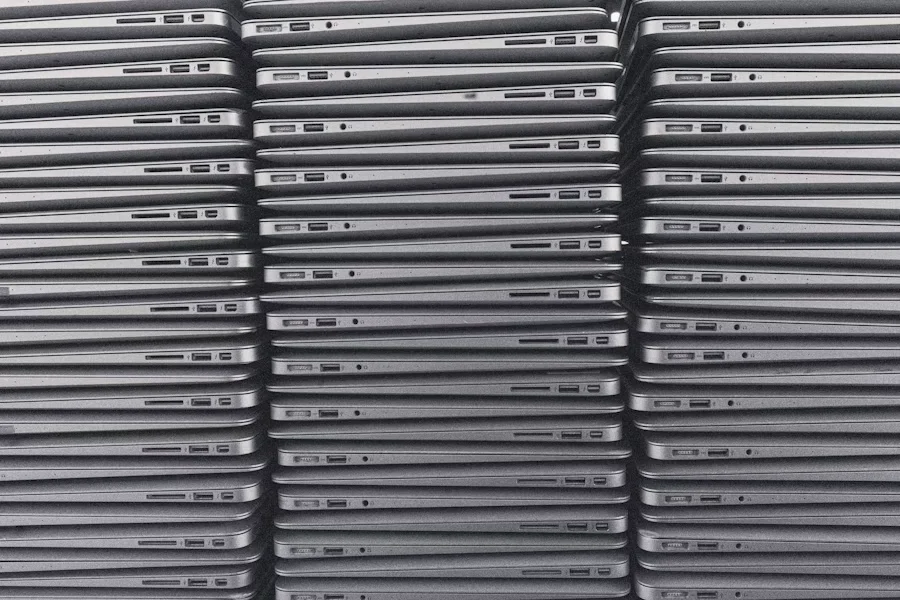

We purchase commercial laptop batches from companies, IT departments, schools, universities, resellers and organisations retiring equipment after a refresh. One lot can include working devices, untested stock, faulty returns and laptops that are no longer economical to repair.
The service is designed for fleet replacements, office relocations, company closures, surplus inventory and warehouse clearances. For leased or managed devices, confirm that your organisation owns the equipment or is authorised to sell it before requesting an offer.
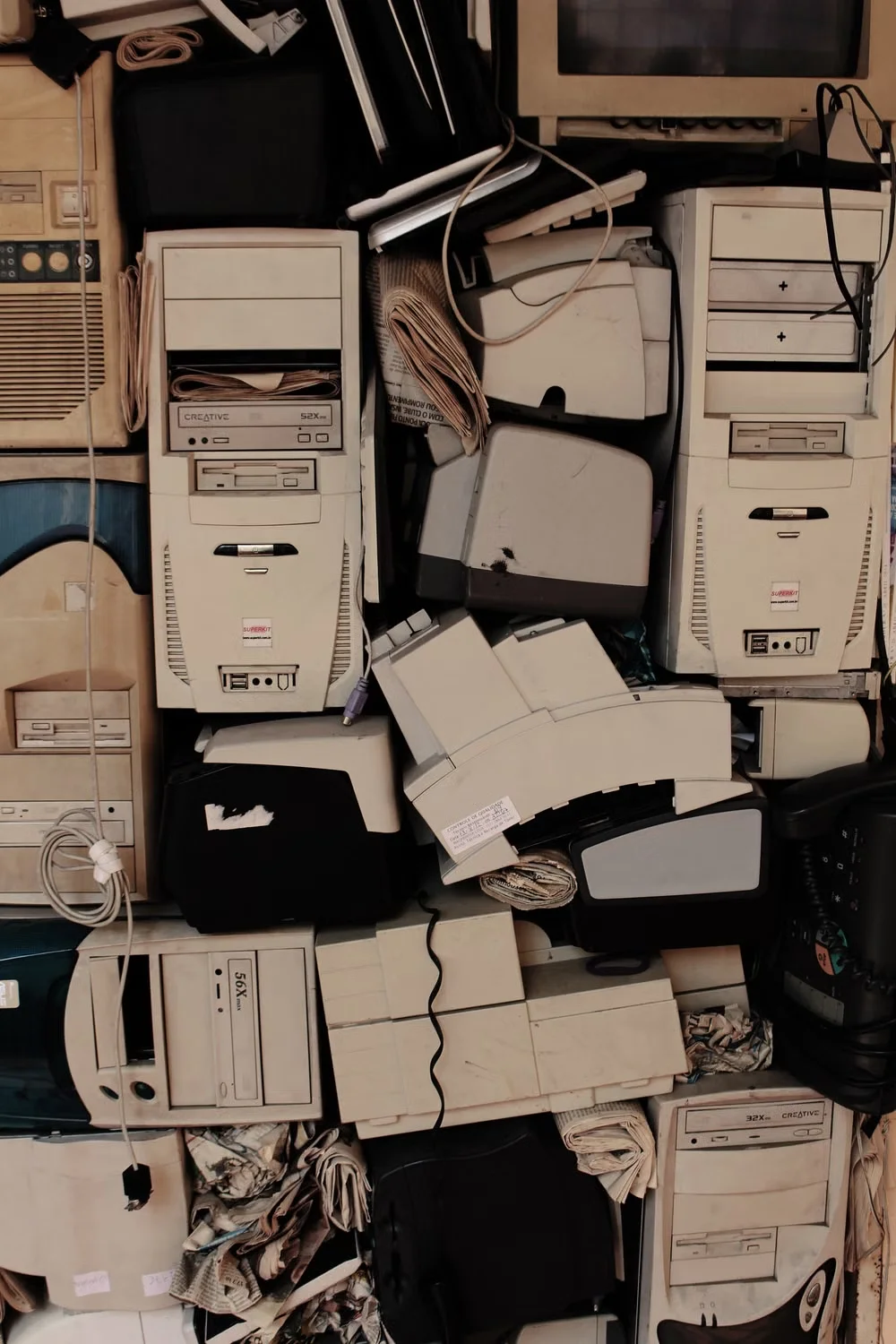
If the clearance also includes desktops, monitors, servers, networking equipment, RAM or storage, include them through our IT scrap buying service. A complete list helps us value and plan the collection as one job.
A useful offer starts with clear information about ownership, quantity, condition and data. These points help avoid a revised quote or delayed pickup.
Our laptop buying service is built for business batches, typically around 20 units or more, rather than one personal device.
The organisation should own the laptops or have authority to dispose of them, including leased or managed equipment.
Working, faulty, damaged and untested devices can be included. Honest condition notes help us price the lot accurately.
Tell us if drives remain installed and whether BIOS, MDM, Autopilot, Intune or Activation Lock restrictions are still present.
Condition changes the valuation and recovery route, not whether a commercial batch can be assessed.
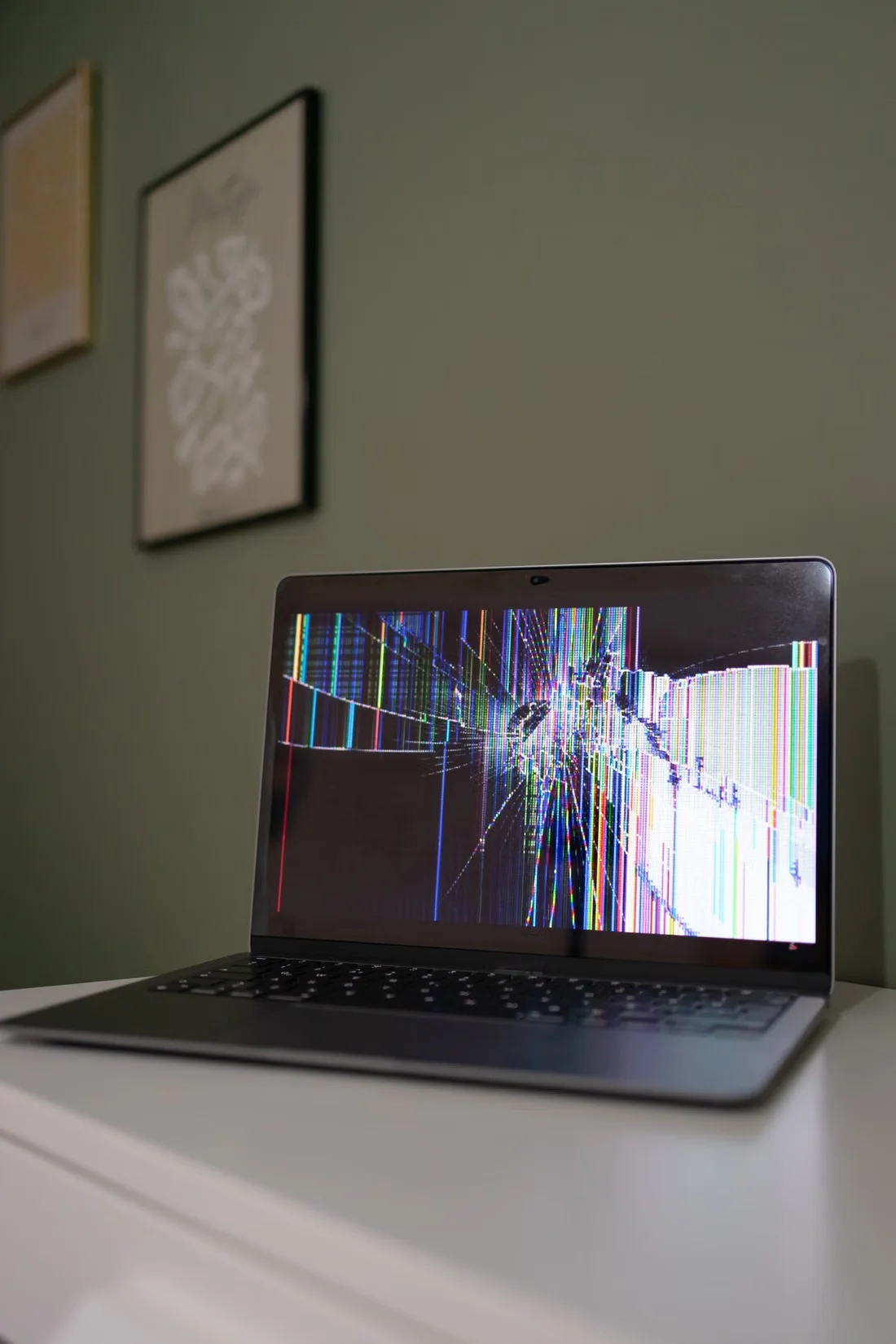
Whether they start, run normally and include chargers.
Exact models and specifications, even if they have been stored for years.
Power, charging, display, storage or motherboard issues you already know about.
Cracked screens, broken hinges, missing keys, liquid damage or removed components.
Mark unchecked machines as untested. A laptop that only runs while plugged in has a different fault from one that does not power on at all. That distinction helps us assess the batch accurately.
Model names such as Dell Latitude, HP EliteBook, Lenovo ThinkPad, MacBook Air and MacBook Pro are more useful than a brand alone. Include the full model number wherever possible.
For batches containing gaming laptops, ultrabooks, Microsoft Surface devices or mobile workstations, send the configuration so suitability can be confirmed. A graphics card model can matter as much as the processor on specialist machines.
The offer is based on the actual equipment in the lot: make and model, specification, condition, completeness, quantity and current resale, component or material-recovery value.
“Core i7” alone does not identify the CPU. The exact processor model helps establish performance and likely resale demand.
State memory capacity, SSD or HDD type, storage capacity and whether the drive is still installed.
Include the GPU for gaming laptops and professional workstations. Integrated graphics and a dedicated GPU are different configurations.
Mention short battery runtime, charging faults and whether an appropriate charger is included.
Display faults, hinge damage, missing keys, unreliable ports and chassis damage affect repair costs and usability.
A consistent fleet and a mixed batch require different assessment work. Current demand for the models and usable parts also influences the offer.
Account locks and company management restrictions should be disclosed with the specifications. Tell us about unresolved BIOS passwords, Windows Autopilot or Intune enrolment, Apple Activation Lock or other MDM restrictions where present. Do not send account passwords with an enquiry, and do not describe a laptop as ready for resale while access restrictions remain unresolved.
For a useful quote, describe the actual equipment. Original purchase price alone cannot establish its current value.
Include quantity, brands, models, specifications, condition and location. For larger fleets, an asset register with serial numbers helps identify what is being sold.
We assess the information supplied and confirm the commercial figure, any inspection requirement, payment method and timing, data-handling scope and collection conditions in writing before pickup is booked.
Tell us about loading areas, stairs, lifts, security approval, gate passes and permitted collection hours. Equipment is checked and the collected items are recorded.
Hardware follows the agreed recovery route, data-bearing storage receives the agreed treatment, and payment and documentation are completed according to the transaction terms.
You can request a business equipment pickup with an approximate inventory to start the discussion.
A laptop that no longer starts may still contain readable storage. Customer records, saved credentials and company files need attention regardless of the machine's resale value.
Back up anything your organisation needs to retain. Tell us whether your policy requires verified data wiping, physical destruction or an on-site arrangement before storage leaves the premises.
Our data destruction service covers sanitisation and destruction options according to the media and agreed scope. Deleting files alone does not establish that a drive has been sanitised.
For fleets requiring asset reconciliation and a documented outcome for each device, discuss IT asset disposition. Agree the records required before collection, including serial-level reporting where needed.
Working equipment may return to use after assessment and appropriate data handling. A faulty machine may still contain usable memory, screens or other components.
Where refurbishment or component recovery is unsuitable, remaining equipment enters the e-waste recycling process for material recovery. Data-bearing parts require their agreed treatment before reuse or disposal.

Our operating base is Industrial Area 6, Sharjah. Commercial collection covers Dubai, Abu Dhabi, Sharjah, Ajman, Ras Al Khaimah, Fujairah and Umm Al Quwain.
Collection timing depends on the quantity, location, route availability and building access. For several offices, identify the equipment at each address and your preferred clearance window when sending the enquiry.
Before collection, agree the written valuation, inspection requirement, payment method and timing, pickup location, access conditions and data-handling scope. For larger fleets, confirm the level of asset or serial-number reporting required.
Collection records and processing documentation are then provided according to the agreed scope, giving your IT and finance teams a clear record of what was sold and how the disposal was handled.
Our buying service focuses on commercial quantities, typically around 20 laptops or more. We do not purchase single personal laptops through this service.
Yes. Include them in your commercial lot and describe any known faults. Their value depends on recoverable components, materials and the overall condition.
Yes, mixed business batches can be assessed. List each model separately, with quantities and condition notes, so differences are reflected in the quotation.
Identify the missing items when requesting a quote. Completeness affects valuation, and removed drives should also be noted in your equipment inventory.
Send the information you already have and label unchecked devices as untested. We can establish what inspection is needed without assuming every unit works.
Disclose them before valuation. This includes BIOS passwords, Windows Autopilot or Intune enrolment, Apple Activation Lock and other MDM restrictions. Ask your authorised IT administrator to arrange the necessary release before resale, and never send account passwords with an enquiry.
Yes. Explain your storage and documentation requirements when requesting the quote so sanitisation or physical destruction can be agreed before handover.
Confirm the payment method and settlement timing in the written agreement before collection. The arrangements should reflect any inspection or verification required for your lot.
Send quantity, make and model, specifications where known, condition and collection location. Mention missing parts, account restrictions and data requirements upfront so we can assess the complete lot before pickup.